
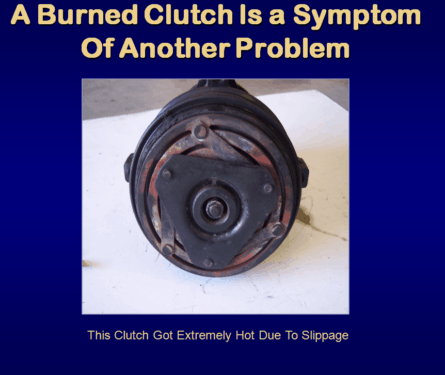

A burned clutch is a symptom of another problem
September 14, 2021
Not much thought is given to compressor clutches until they fail, but they are extremely durable. I have personally owned three vehicles that had between 200, 000 and 240,000 miles on them. They all still had the original compressors and clutches, and they were still functioning perfectly.Read Article >
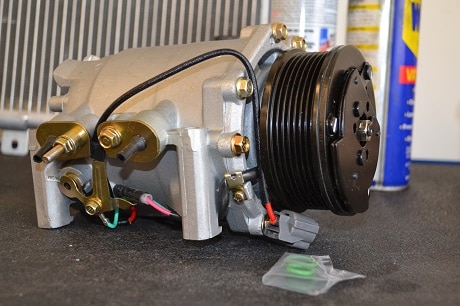
Facts to know about the compressor clutch coil
September 7, 2021
Checking the clutch air gap before installing a compressor is an important step in compressor installation. This is because of the possibility of a clutch air gap getting knocked out of adjustment due to rough handling or it being gapped incorrectly at the factory. These issues of course can cause problems with clutch operation. If detected and corrected before compressor installation, a lot of time can be saved.Read Article >
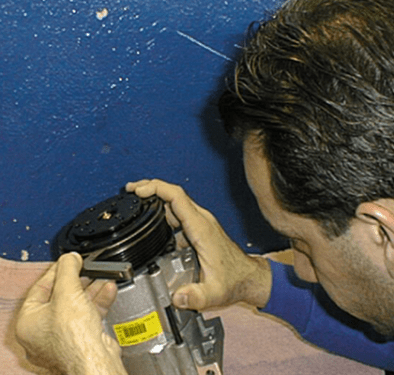
Mind the compressor clutch gap
August 31, 2021
One of the first things I was taught in my A/C training was to always check the clutch air gap prior to installing a compressor.Read Article >

MACS Tesla project
August 26, 2021
MACS is working on a project, to collect A/C charge information for Tesla vehicles, and we need your help!Read Article >
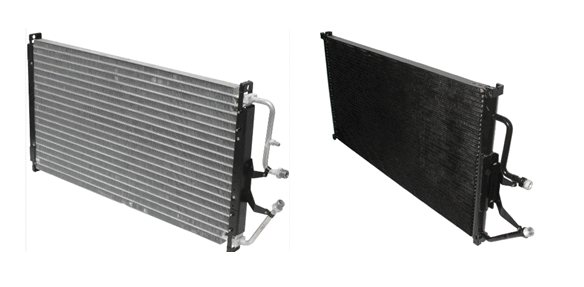
Field study: Incorrectly installed condensers
August 10, 2021
I have handled numerous tech calls involving older GM trucks with incorrectly installed condensers. In preparation for this series of MACS blogs, I discovered a salvage truck with one of these condenser repairs. This gave me the opportunity to duplicate the incorrect installation and look for pitfalls and solutions.Read Article >
Finding right side up
August 3, 2021
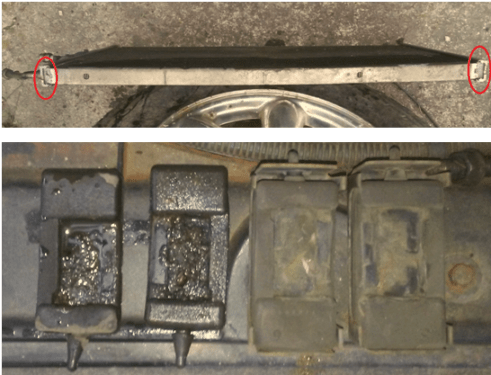
Most condensers have different fittings on the inlet and outlet. The locations of the inlet and outlet on most condensers will not allow lines to be connected incorrectly, even if the fittings do happen to be the same size. Lastly, the designs of the mounts on most condensers prevent a unit from being installed upside down. However, none of these characteristics apply to the condenser the technician had installed.Read Article >

Did you install the condenser upside down and backwards?
July 27, 2021
The vehicle was a 1998 Chevrolet C 1500 truck with a 5.7 engine. The issue was excessive high side pressure. Almost as soon as the compressor clutch engaged, the high side pressure was over 400 PSI, and the high-pressure cut-off was turning the compressor on and off.Read Article >
Top three tips on orifice tube behavior
July 20, 2021
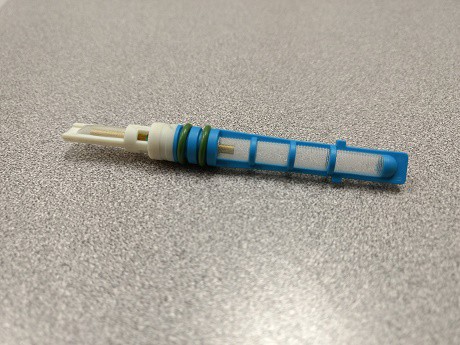
In the last four MACS blog articles we covered a lot of detailed information about orifice tube system behavior. We examined a system with a full refrigerant charge verses a 25% undercharge. Now it is time to condense it all down into three important takeaways.Read Article >
Low refrigerant charge and the search for real data part 3
July 6, 2021
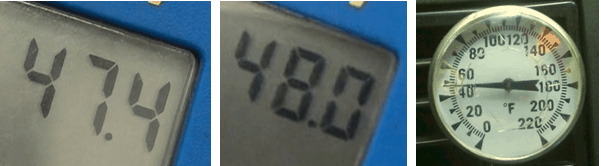
To place as much heat load on the system as possible, we turned the heat in the shop up on high and got it as hot as possible before beginning the test. When the temperature peaked at 89°, we began the test. We tried to keep it constant, but all the heat being generated by the engine in the test vehicle caused it to inch upward by 2.5° before the second test was concluded.Read Article >

A/C for E-trucks
July 1, 2021
Are you ready for E-trucks? Find out in the July/August 2021 issue of MACS ACTION magazine.Read Article >
What’s the word on R-134a price & supply?
June 24, 2021
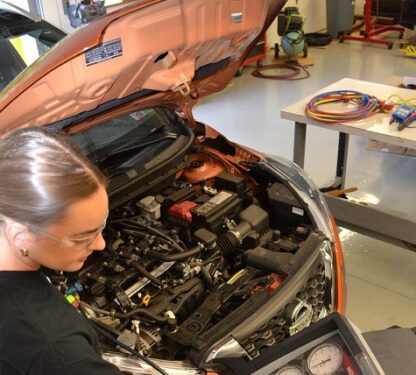
The email questions are already coming in, and they go kind of how you’d expect: What’s going on with the price of R-134a? Is there going to be a shortage of R-134a supply?Read Article >
Low refrigerant charge and the search for real data
June 22, 2021
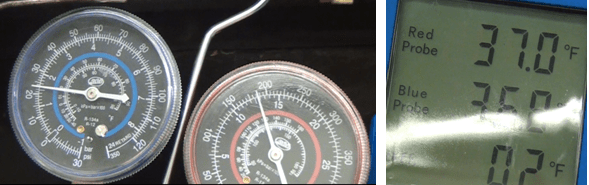
I had read about how low refrigerant charges could increase compressor operating temperatures and decrease the amount of oil flowing to compressors, but I had never been able to find results from any tests. After discussing this with MACS, we decided to do some testing to get some real data.Read Article >